
Vulnerability. Noticing the Walls You Have Built for Protection.
How does Vulnerability show up in people you know? How does Vulnerability show up for YOU?
Whether it’s a first date, your wedding day, tests during finals week, a job interview, a work meeting, or attending a new exercise class … vulnerability enters our lives in a variety of ways.
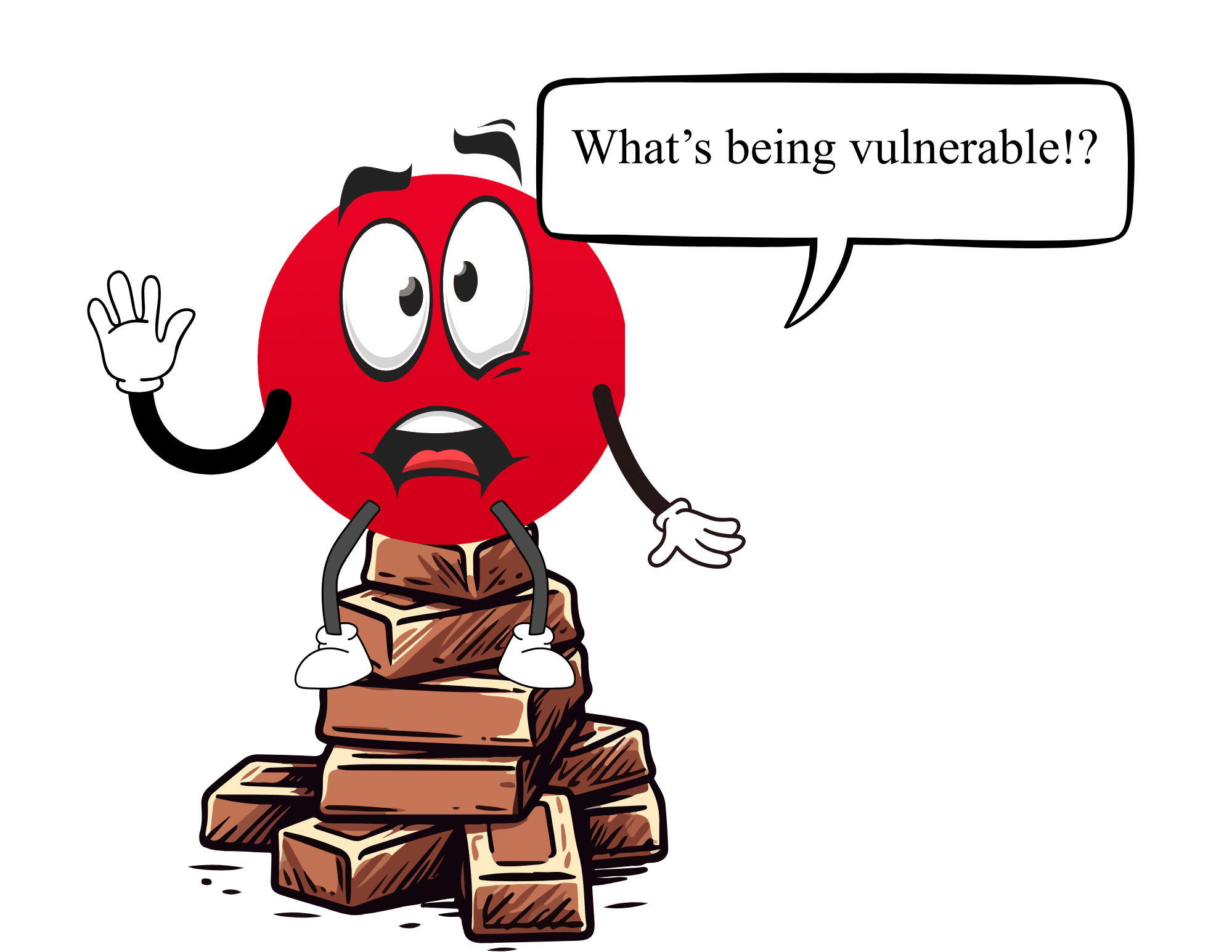
What is Vulnerability?
Vulnerability is often seen as a ‘weakness‘ – making one susceptible to harm -physically, mentally, or emotionally. Brené Brown (widely known for her research on vulnerability, courage, shame, and empathy) describes vulnerability as the core of our emotions and feelings – connected with uncertainty, risk and emotional exposure. And, Brown explains, to believe vulnerability is weakness is to believe feeling is weakness. (Brown, 2012, p. 34.)
When can Vulnerability arrive?
Vulnerability can surface (along with feelings of loneliness or disconnection) when we are physically present with family, friends, or work colleagues. And, regardless of the social setting, vulnerability can show up as an internal dialogue of judgment, worry, fear, questioning trust, self image, or how others perceive us …
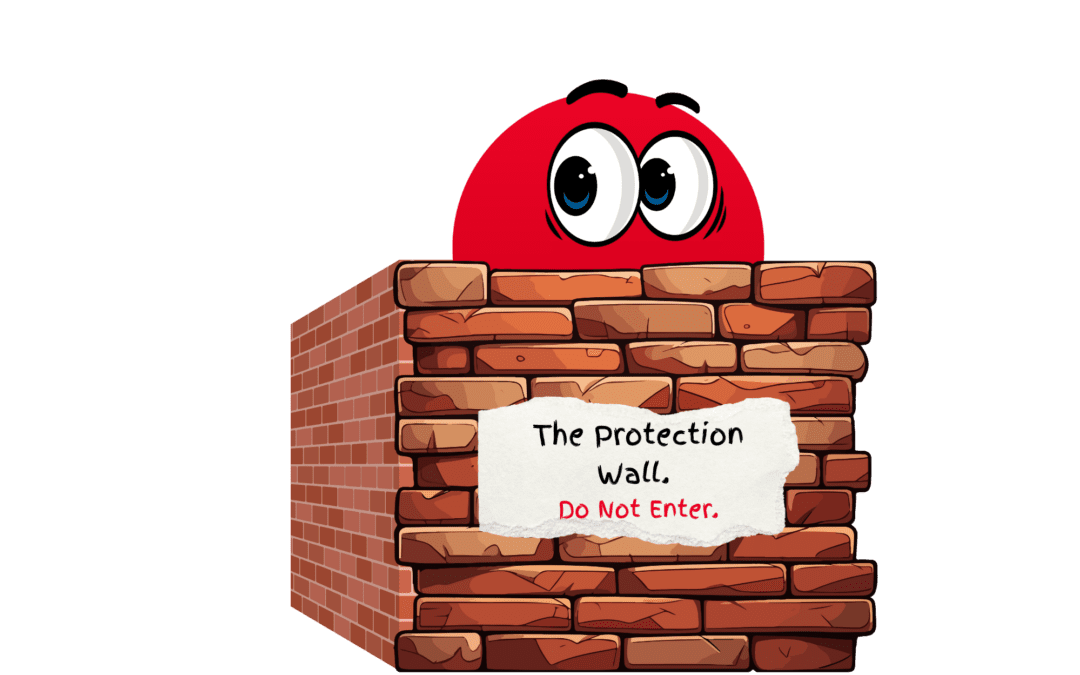
Consequently, these feelings and thoughts can bring in the protective wall (within ourselves) blocking our vulnerability.
 What Parts Protect you from vulnerability? HOW do those Parts protect you?
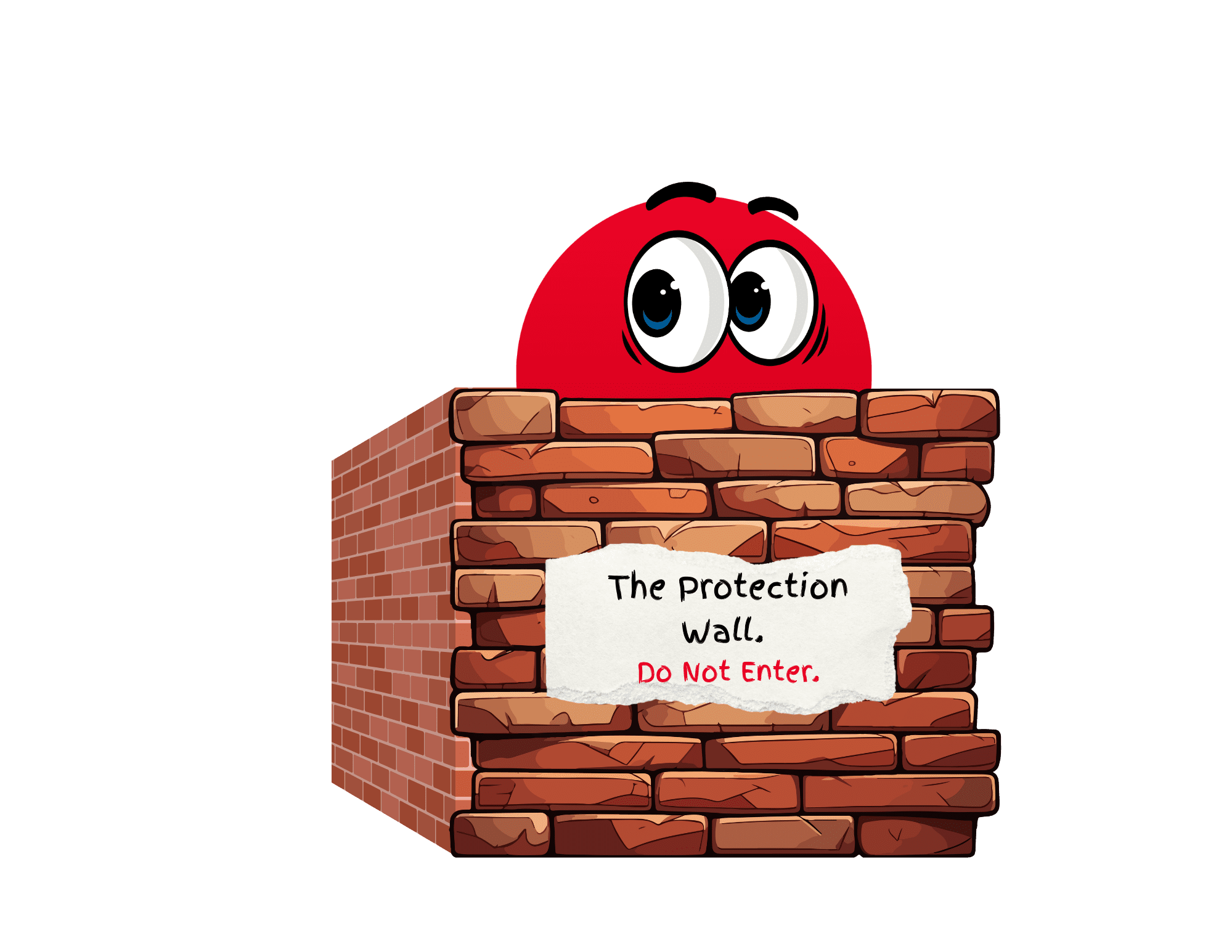 What Parts Protect you from vulnerability? HOW do those Parts protect you?
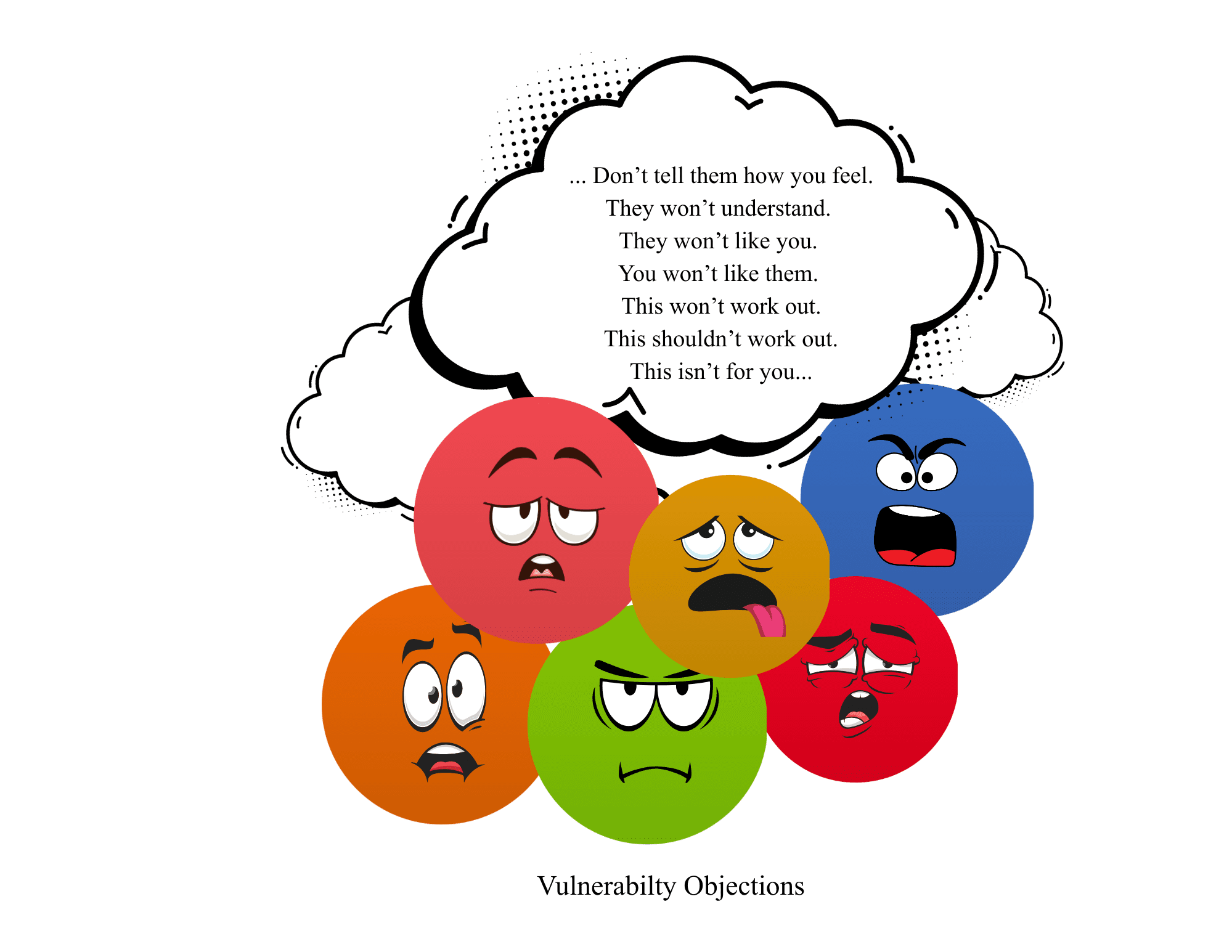
 Our inner critics and perfectionists—our ‘protectors’—are activated by certain triggers, causing them to control our vulnerability. This can manifest in various ways, including dissociation, distraction, intense negative self-criticism, self-judgment, and judging others.
Anything to build a wall and protect.
Sometimes these Parts are so good at their presentation – we don’t notice the wall they have built. Or … the wall they are building.
Dr. Frank Anderson, psychiatrist specializing in neuroscience and trauma, explains, if the protective parts can keep us confused, frightened, and overwhelmed by the intensity, severity, impulsivity and complexity of their presentation, they feel successful yet again keeping the vulnerability at bay (Anderson, 2021, p.111)
We all have different ways we can identify these protectors. Brené Brown’s “gremlins” are the internal, whispering voices of shame and self-doubt that tell us we are “never good enough” – and she describes protectors as shields using the concept of “viking or victim” (passive or dominant response) as a type of “armor” or “shield” people use to protect themselves from feeling vulnerable.
Vulnerability is intrinsically connected to authenticity—the process of recognizing and expressing who we genuinely are. Vulnerability Opens Us to Feeling.
Where do these feelings connected with Vulnerability arrive? In her research Brown identified twelve categories – which pull in our protection for vulnerability:
Appearance and body image
Money and work
Motherhood/fatherhood
Family
Parenting
Mental and physical health
Addiction
Sex
Aging
Religion
Surviving Trauma
Being stereotyped or labeled
When reading these categories – what comes into your mind? In what situations do you protect your vulnerability?
Vulnerability. Journal Questions for Reflection.
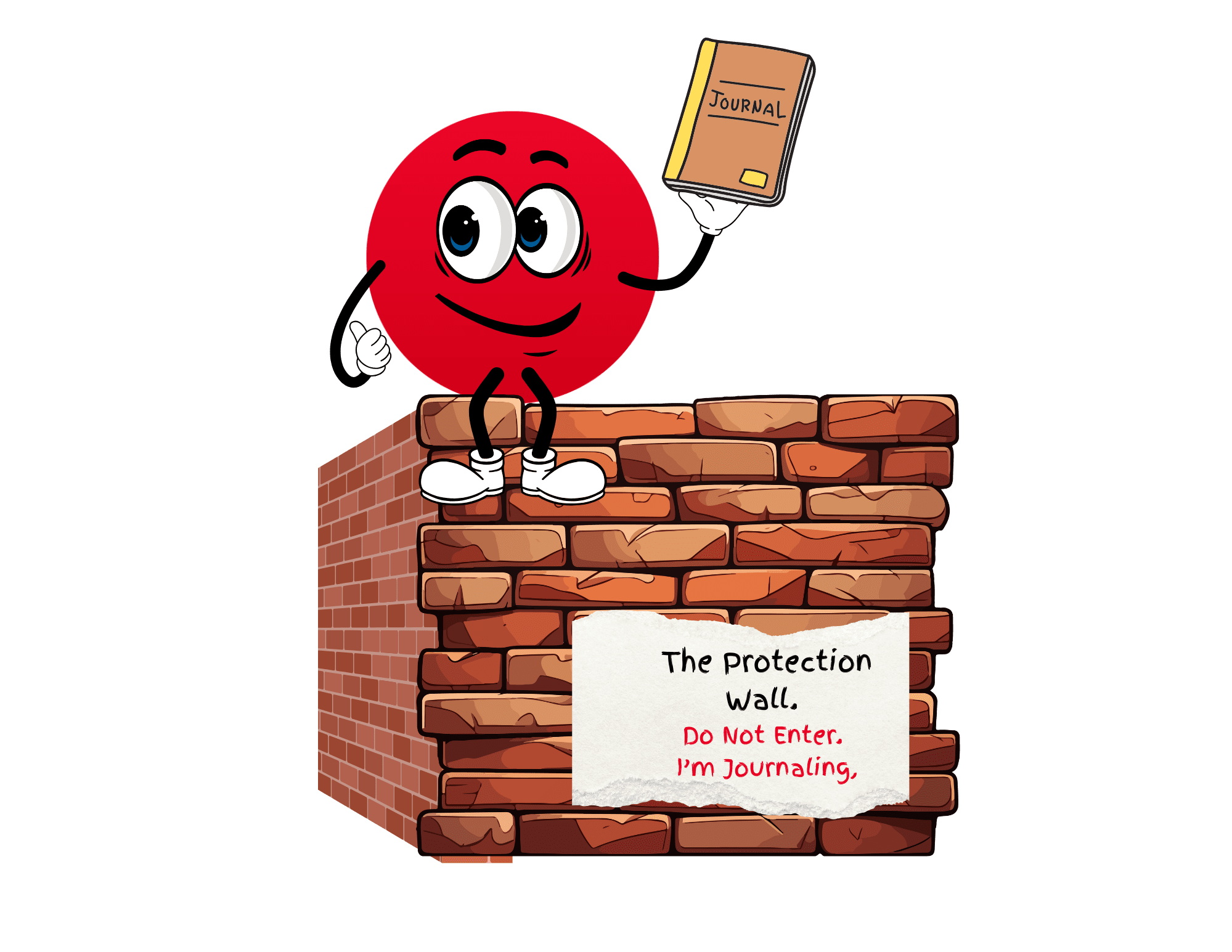
Take a moment. Close your eyes. Ask yourself:
What experience reminds me of vulnerability?
How has vulnerability shown up in my life – and what reactions do I detect?
Was it recent? Or was it long ago?
With this experience in mind – how do I define my vulnerability?
Has my vulnerability been challenged, attacked, wounded? A break up, divorce, argument – a fight with parents or loved ones? A difficult relational predicament with a work colleague, friend, or sibling?
How do I respond to vulnerability?
Place: Do my feelings of vulnerability change within particular settings? In a classroom?At the workplace around professional colleagues? At home? At someone else’s home? On a hike in the woods? On the street, within a public setting? Within our dynamics during virtual therapy sessions?
People: What social dynamics pull in vulnerability? Examples of dynamics can be found within various relationships at work, within school/academics, parenting, and romantic attraction. Maybe it is certain people and ‘types of conversation’ – addressing concerns, problems, challenges. And if you are ‘dating’ – or have dated – perhaps you can recall transitions of feelings of vulnerability within a timeline – feelings on the first date, third date, fifth date – etc.
Things: Do various things pull in feelings of vulnerability – linked to various memories in your life? Music, songs, poetry, writing, books, art, furniture, clothing, movies, plays, characters (the list goes on.)
What Parts are showing up NOW – and how do they respond to the dynamics outlined above?
Interested in a PDF to printout for this Journal Reflection? Find it here.
References
Anderson, F. G. (2021). Transcending trauma: Healing complex PTSD with internal family systems. PESI Publishing.
Brown, B. (2012). Daring greatly: How the courage to be vulnerable transforms the way we live, love, parent, and lead. Gotham Books.